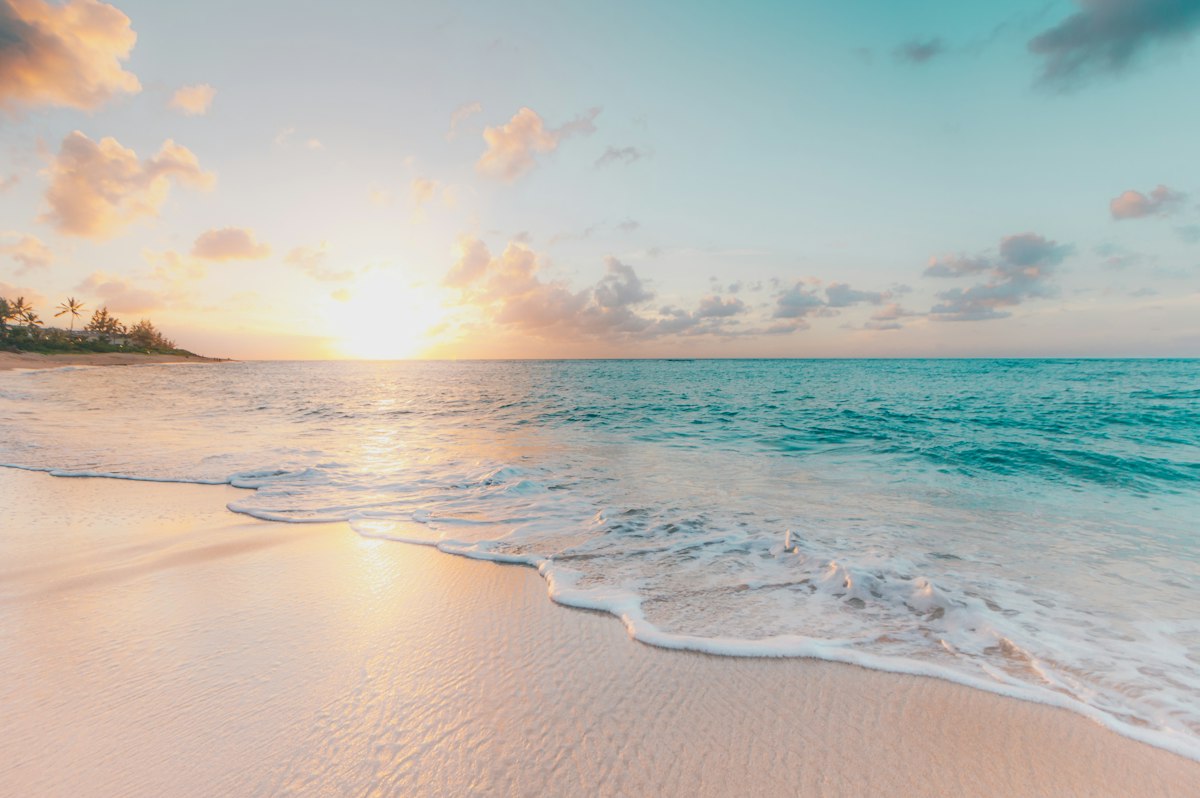
The sea is taking back Trinidad and Tobago. Not metaphorically — literally. Measurements from the University of the West Indies' Seismic Research Centre show that large sections of both islands' coastlines are retreating at rates of one to three metres per year. In Tobago, the erosion is most dramatic: Stonehaven Bay has lost more than 30 metres of beachfront since 2010. In Trinidad, low-lying areas from Manzanilla to Icacos are experiencing regular inundation events that were once-in-a-decade occurrences.
The Science of What Is Happening
Climate change is the primary driver through two interconnected mechanisms: sea level rise and increased storm intensity. The Caribbean has warmed approximately 1°C over the past century, and sea levels in the southeastern Caribbean have risen roughly 3.5 millimetres per year since 1993 — faster than the global average. This may sound small, but compound it with more intense tropical weather systems pushing larger storm surges onto already-compromised coastlines and the effect is devastating.
Coral reef degradation — driven by ocean acidification and bleaching — has removed a critical natural barrier. Healthy reefs dissipate up to 97% of wave energy before it reaches the shore. As T&T's reefs have degraded, that protection has diminished, exposing coastal communities to erosive forces that intact ecosystems would previously have absorbed.
Communities Under Threat
Manzanilla Beach on Trinidad's east coast is a case study in slow-motion disaster. The coconut palms that once lined the famous beach have toppled as the ground beneath them eroded. The road that runs the length of the beach has been repeatedly damaged by wave action and storm surge, cutting off communities during weather events. Residents who have lived in the area for generations speak of a beach that has shrunk from 60 metres wide to barely 20 in their lifetimes.
In Tobago, the fishing village of Plymouth faces existential threat. Storm surges now regularly flood streets that were once well above sea level. Property values have collapsed. Some families have quietly begun relocating, an informal managed retreat that no government policy has acknowledged or supported.
What the Government Has — and Hasn't — Done
Trinidad & Tobago ratified the Paris Agreement and has submitted two Nationally Determined Contributions (NDCs) outlining climate commitments. The policy architecture exists on paper. What is missing is implementation at scale and the political will to make decisions that cost money in the short term for long-term resilience.
Hard engineering solutions — seawalls, revetments, breakwaters — have been deployed at select coastal hotspots, but they are expensive, they often simply displace erosion to adjacent areas, and they cannot keep pace with the rate of change across hundreds of kilometres of vulnerable coastline.
The Path Forward
Regional experts advocate for an integrated coastal zone management approach that combines hard infrastructure where necessary with nature-based solutions: mangrove restoration, coral reef rehabilitation, beach nourishment programmes, and managed retreat in the most severely threatened areas.
The cost of action is high. The cost of inaction is civilizational. Trinidad & Tobago must decide — urgently — which bill it prefers to pay.